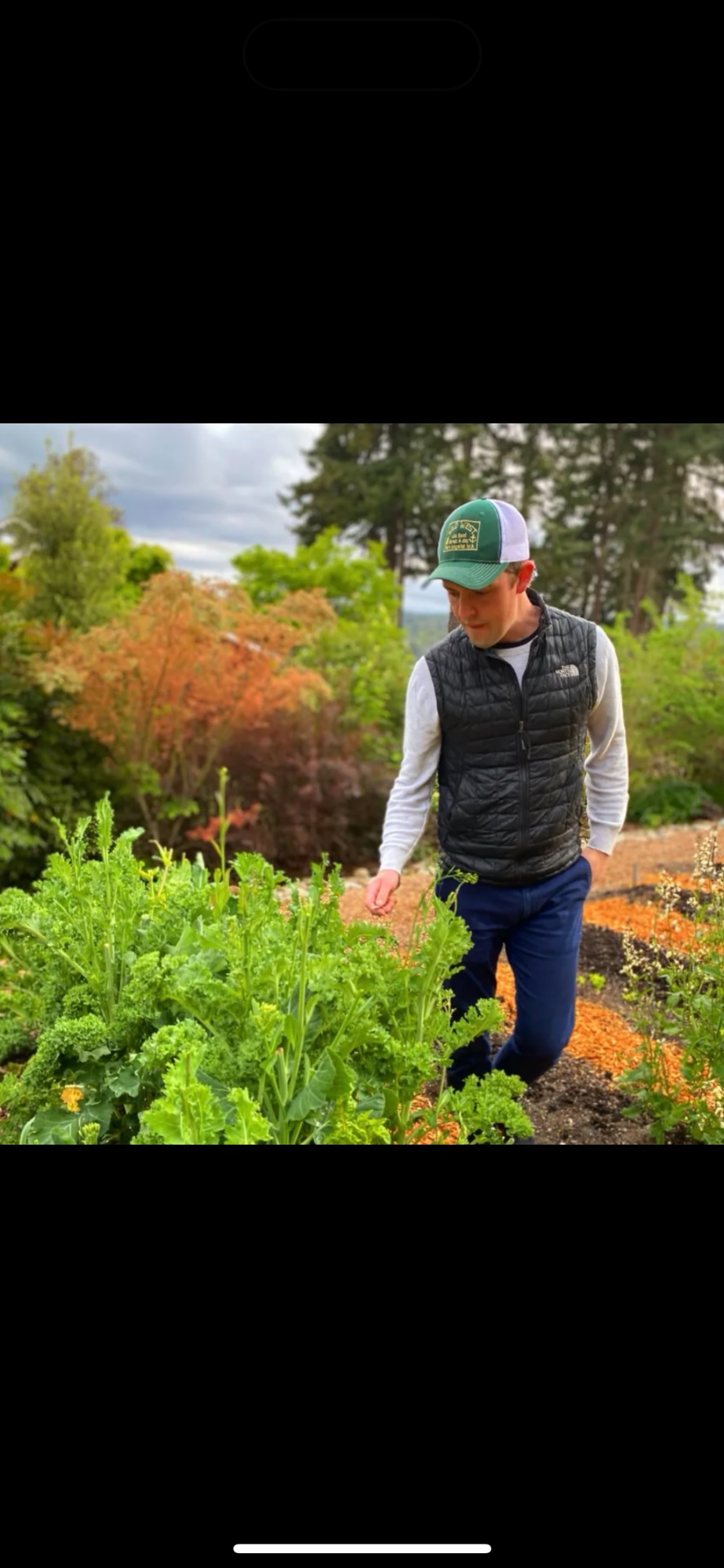
In Ojai, fall is a season of contrast: the last warm evenings under the oaks, the first cool air after sunset, and a harvest that moves from bright fruit toward deeper flavors. At the table, pomegranates and figs meet the steady warmth of a wood fire. The meal feels generous without being heavy, built for a long evening outdoors.
I plan fall dinners around what is ready. Ojai growers and nearby markets bring late-season fruit, herbs, greens, and vegetables as the weather turns. I taste as I buy, then adjust the balance of salt, smoke, and acidity to the harvest.
Pomegranates in their bright season
Pomegranate seeds bring a bright, crisp finish to roasted squash, bitter leaves, or a spoonful of labneh. I loosen the juice into a pan sauce or vinaigrette with olive oil, citrus, and a little honey, then scatter the seeds at the end so their crunch survives. Against warm spices and the char of the grill, the fruit keeps each bite lively.
Figs, fresh and roasted
Figs ask for a gentler hand. I split ripe fruit and set it near the fire until the cut side glosses and the sugars begin to darken. A few warm figs with soft cheese, toasted bread, and thyme make a first course; the rest can sit beside roast meat or finish with yogurt and a little honey. Their soft sweetness suits the season’s turn toward smoke and savory depth.
Wine from the nearby coast
For wine, I look toward Santa Barbara County bottles that suit the menu and the people around the table. A supple Pinot Noir can meet the fruit without overwhelming it, while Syrah or a Rhône-style blend has enough depth for lamb, duck, or a long roast. The pairing does not need to be complicated: keep the wine bright with the pomegranate and lighter courses, then open something rounder as the fire-roasted main arrives.
I pour with the food in mind, not to make every dish taste like the glass. Pomegranate’s tartness welcomes wines with fresh acidity; roasted figs and browned edges can handle a little more body. For guests who prefer white wine, a textured Rhône-style white or an oak-light Chardonnay can stay lively alongside herbs, poultry, and the softer side of the menu. A local bottle gives the table a sense of place without asking the wine to carry the evening alone.
Wood-roasted at the center
The fire gives the meal its center. I build a bed of white-oak embers, then roast proteins where the heat is steady and let the outer coals do the slower work. A whole chicken takes on smoke while staying tender; lamb shoulder can cook patiently until it yields; fish gets a quick turn over the hotter edge. The same fire chars onions and squash for the sides, so the plates share a quiet thread of wood smoke.
A menu for a long fall evening
A fall menu might begin with greens, shaved fennel, and pomegranate, followed by grilled figs and warm bread. Then comes wood-roasted lamb or chicken with squash, herbs, and a pan sauce sharpened with citrus. For dessert, roasted figs with yogurt or a small tart brings the fruit back without repeating the first course. The progression moves from crisp and bright toward warm and unhurried.
Every table changes with the weather, the harvest, and the size of the gathering. I may add a second roast for a larger party or keep the meal to three courses for a smaller dinner. The ingredients stay recognizable; the cooking gives them room. When the evening cools under the oaks, the fire, the wine, and the last pomegranate seeds are enough to make an Ojai fall table feel complete.