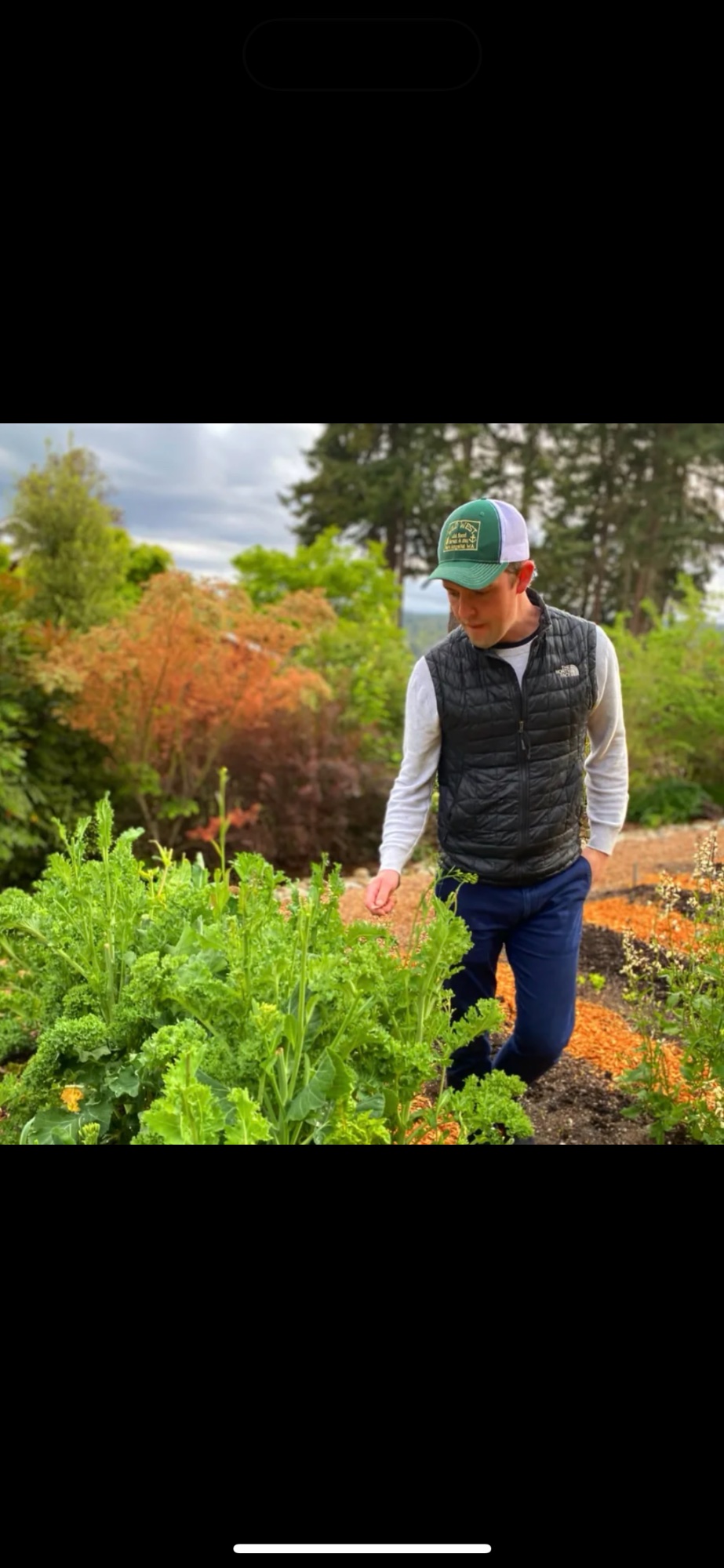
In Ojai, spring starts with the last bright citrus and the first green things.
That's not a transition. That's the menu. March through May, the valley moves from winter's preserves into a greener register: tender lettuces, spinach, peas, fava beans, spring onions, and herbs cut close to service. I buy for the table at the Ojai farmers market and let the fire decide how much each ingredient needs.
Citrus carries the table
Ojai Pixie mandarins are still useful when spring begins. They bring sweetness and perfume after the blood oranges have moved on, and lemons keep the menu pointed in the right direction. I split a mandarin over bitter greens, warm the peel in olive oil, and brush lemon over a whole fish before it goes near the coals. The citrus is not a garnish. It carries winter into spring. I keep the run close to the valley through my Ojai sourcing page.
The first green things
Fava beans are the spring crop I wait for. They arrive heavy in their pods, with enough starch to stand beside smoke and enough freshness to keep the plate awake. Peas stay closer to their raw state. Spring onions go over the embers until the outer leaves char and the centers turn sweet. Tender greens get a hot dressing of olive oil, lemon, and salt.
Flowers need discipline. I use only edible flowers sourced from a grower — nasturtiums, violas, or calendula when the supply is right. I do not pick from the hills. Approved petals over favas or a salad add color; wildflower honey adds the floral note more cleanly, folded into a vinaigrette or brushed onto grilled citrus. The plate should look like spring without pretending every flower is food.
White oak in spring
Spring fire sits between winter hearth and summer theater. I cook on white oak, keep the heat lower for greens, and let the embers do the work on onions, fish, and bread. Guests move back outside under the oaks, closer to the long-table format described in the spring estate dining piece. The fire remains the center of the meal while sharing the room with the valley. The technique is the same one I use on the wood-fire dining page, but the menu is lighter: less smoke, more acidity, more food served almost immediately.
What this looks like on a spring menu
Four courses. A first course of chilled peas, bitter greens, lemon, and petals. Then warm favas with charred spring onions and wildflower honey vinaigrette. A whole fish or chicken takes the white-oak fire for the main course, served with citrus and herbs. Dessert is grilled citrus with yogurt, olive oil, and salt.
The menus change with the first green things, and spring is the shortest list of the year. The winter table carries the preserves forward; the summer table takes the same fire into stone fruit and basil. If you're planning a spring dinner in Ojai, start a conversation. The table should feel like the valley itself: bright, green, and cooked over fire.