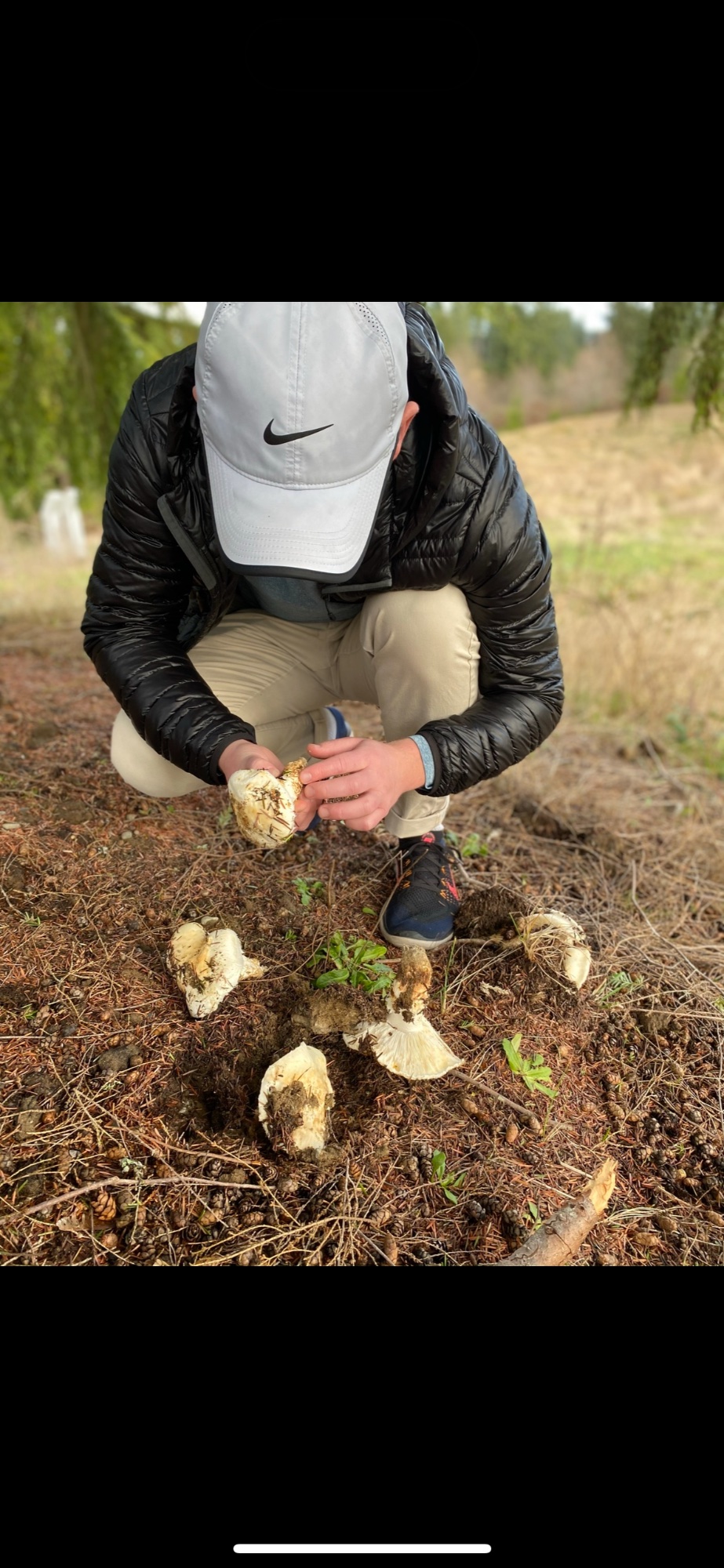
Wood-Fire Dining · Ojai, California
The fire is
the kitchen.
Scroll
In Catalonia, they never stopped cooking over fire. While the rest of the world moved to gas and induction, the Basque coast kept burning white oak and vine cuttings, using the flame itself as the primary cooking instrument. It is not a gimmick. It is the root of the cuisine.
I trained at Tarsan I Jane in Seattle — one of the very few American restaurants built entirely on this tradition. Every dish was conceived around what fire does: the crust it builds, the smoke it leaves, the way radiant heat from glowing coals cooks an interior with an evenness no oven achieves. It changed how I understand heat permanently.
The wood is white oak. It burns long, consistent, and clean. The smoke it produces is mild enough to enhance without overwhelming — a quiet presence underneath a char crust or through the flesh of a whole fish. Nothing gets cooked over flame unless the fire specifically improves it. That discipline is the technique.
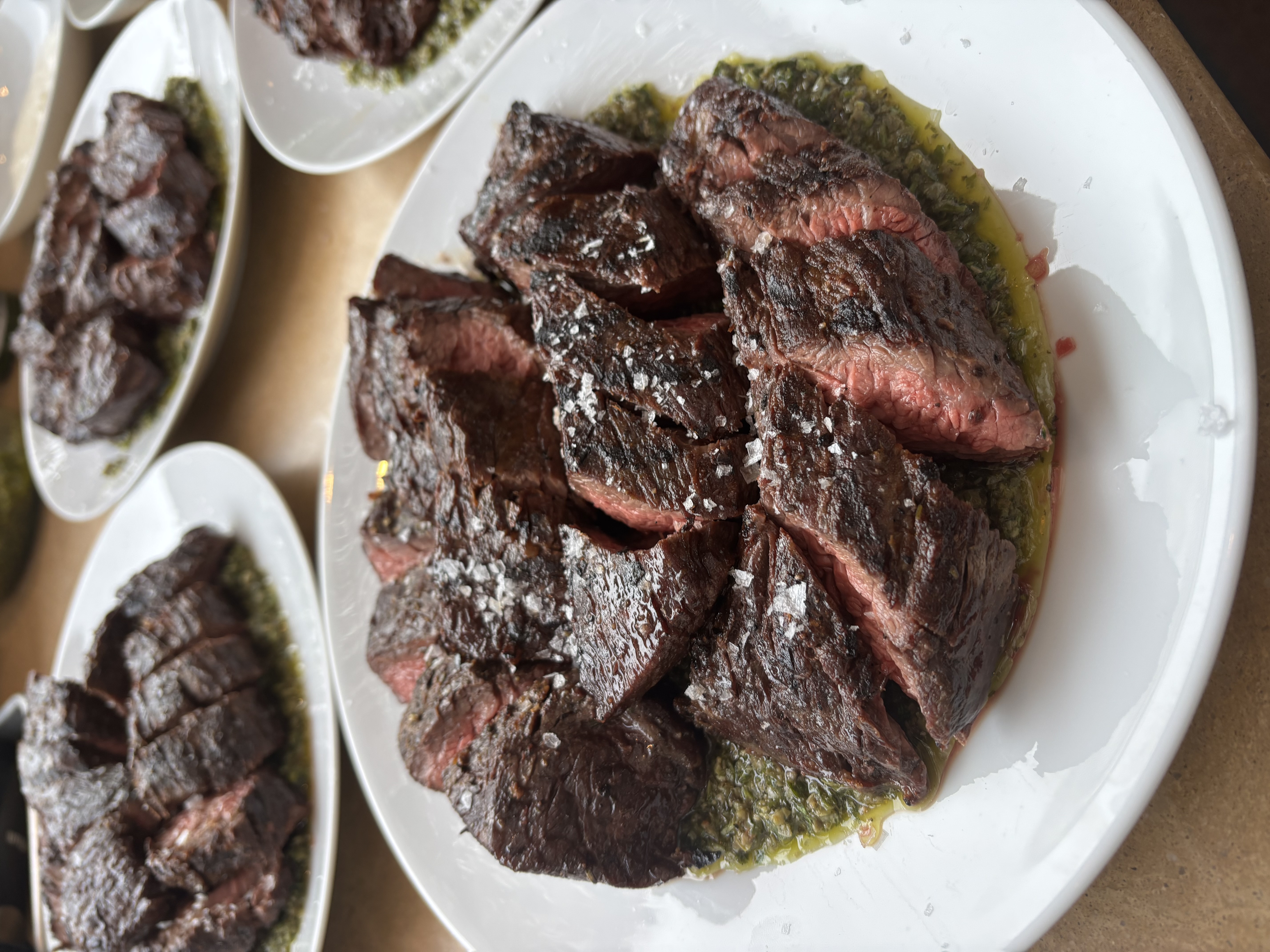
A wood-fire dinner tastes different. Not subtly — fundamentally. The char on a protein cooked over live oak is structural: a crunch that gives way to an interior cooked with a gentleness that dry oven heat never provides. The smoke is not a flavor added on top. It is absorbed, cellular-level, as the fat renders and the sugars caramelize.
Vegetables transform under fire in a way that feels alchemical. Leeks become sweet and silky. Eggplant collapses into something almost smoky-creamy. Peppers blister to a concentrated sweetness that raw or roasted can't reach.
There is also the presence of it — the glow, the sound, the light shifting over the table. A wood-fire dinner is not just tasted. It is felt.
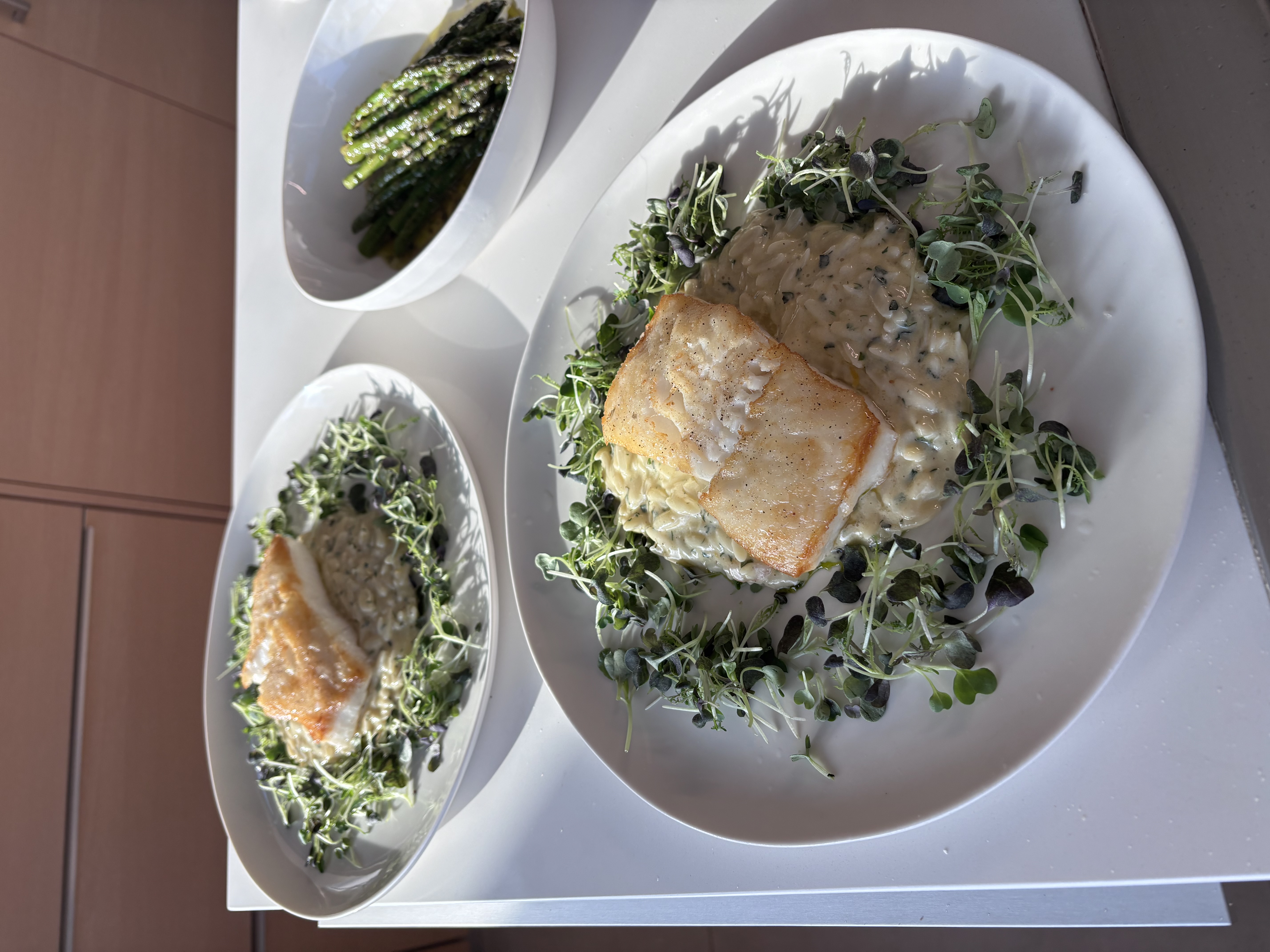
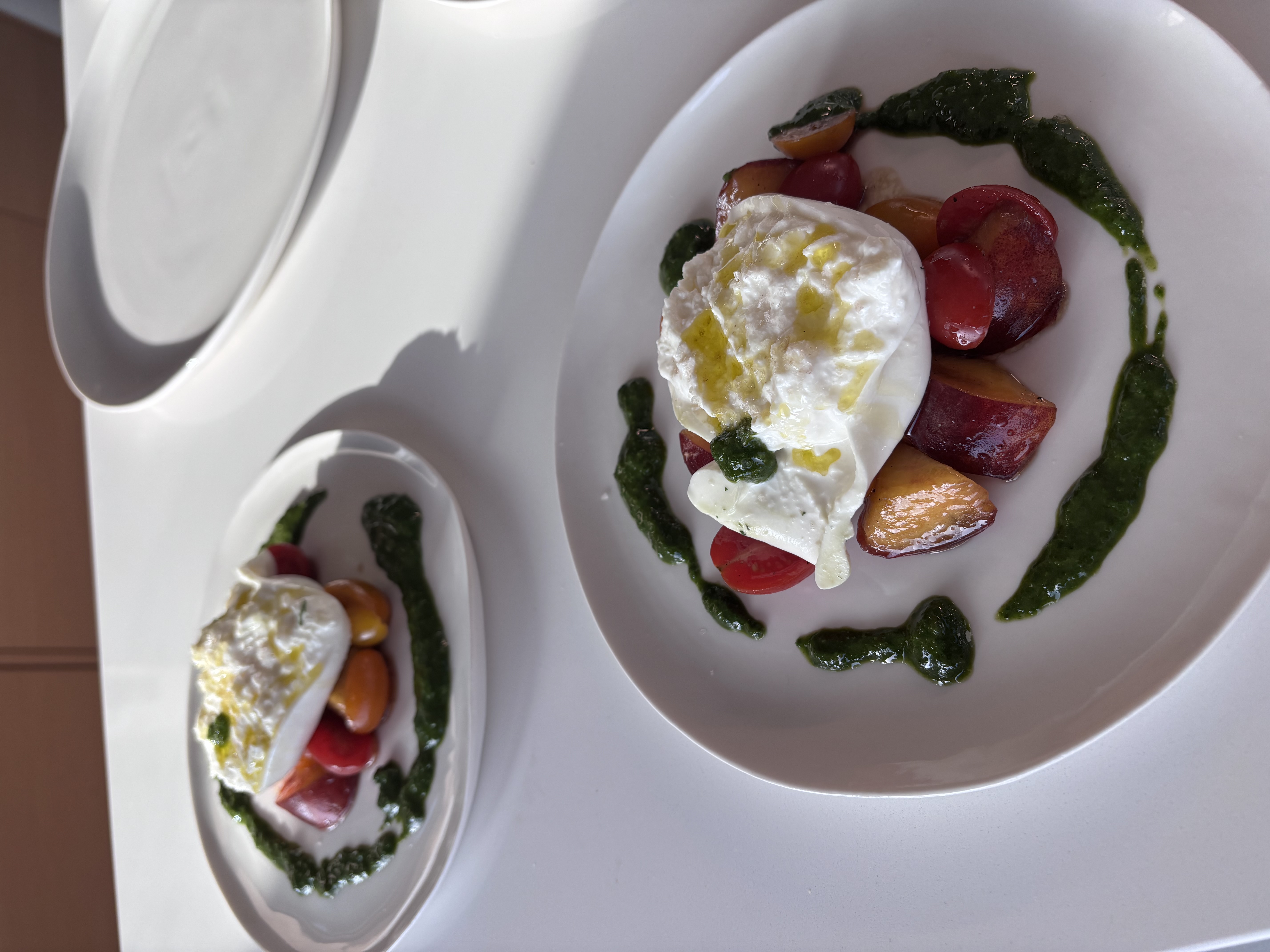
Wood-fire dinners book out weeks in advance. Reach out to start the conversation — about the occasion, your estate, and what the menu should look like.
Book a Fire Dinner